Levies, Liens & Garnishments
Respond when the IRS or Kentucky is taking—or threatening—collection action against wages, accounts, or property.
Research this problem ↗IRS Tax Resolution Nationwide • Kentucky State Tax Attorney
Darby Smith represents individuals and businesses nationwide in IRS resolution and controversy matters and handles Kentucky state tax problems. Notices, deadlines, audits, levies, liens, garnishments, unfiled returns, or Revenue action begin with a diagnostic review of the tax account: the tax equivalent of an MRI.
Private law firm—not the IRS, Kentucky Department of Revenue, PVA, or an accounting firm. The main line can route your call to Darby or Tax Resolution Specialist Sarah.
Tax resolution—not routine accounting
No routine tax preparation. No bookkeeping. No bank-statement reconciliation or general business consulting. Clients hire Darby when a tax situation has gone south and needs legal triage.
Respond when the IRS or Kentucky is taking—or threatening—collection action against wages, accounts, or property.
Research this problem ↗Determine what must be filed to restore compliance and make a lasting resolution possible. This is not routine return preparation.
Research this problem ↗Protect your rights during an examination, administrative appeal, or dispute over an IRS determination.
Research this problem ↗Address notices, assessments, collections, and disputes with the Kentucky Department of Revenue.
Research this problem ↗Respond to employment-tax liabilities, trust-fund investigations, penalties, and business collection emergencies.
Research this problem ↗Evaluate deadlines, defenses, and whether court action is appropriate in a tax controversy.
Research this problem ↗Tax Resolution Resource Center
Plain-English field guides grounded in statutes, IRS procedure, Kentucky law, and primary sources.
Explore all resources ↗Form 433-A is the IRS Collection Information Statement for wage earners and self-employed individuals. The entries can determine what the IRS expects a taxpayer to pay and which collection alternatives remain available.
Read the field guide ↗An IRS bank levy generally freezes funds in the account when the bank receives the levy and creates a short holding period before payment to the IRS.
Read the field guide ↗A Kentucky Department of Revenue assessment generally must be protested in writing within the statutory period stated in the notice.
Read the field guide ↗
A tax lawyer for when things go wrong
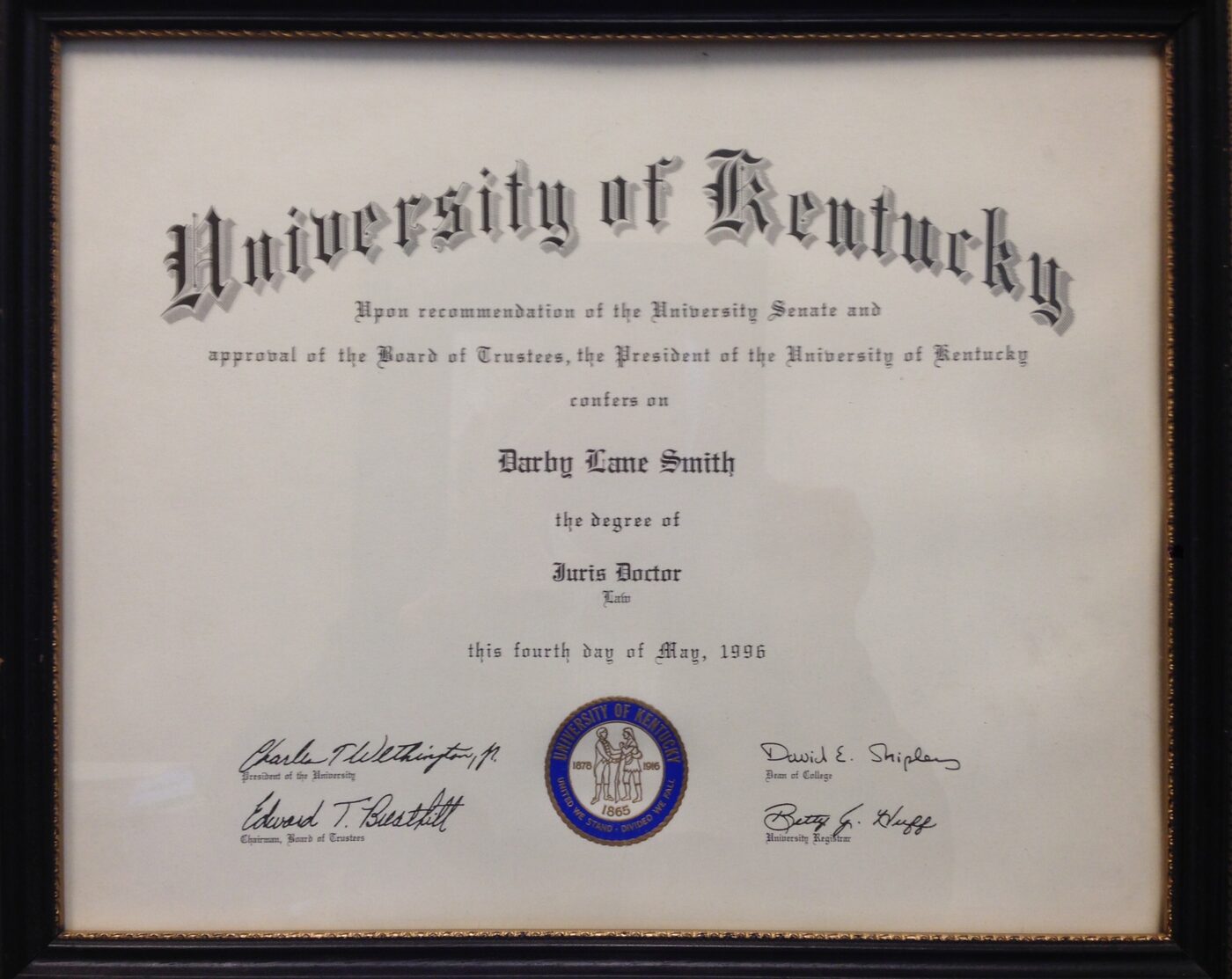
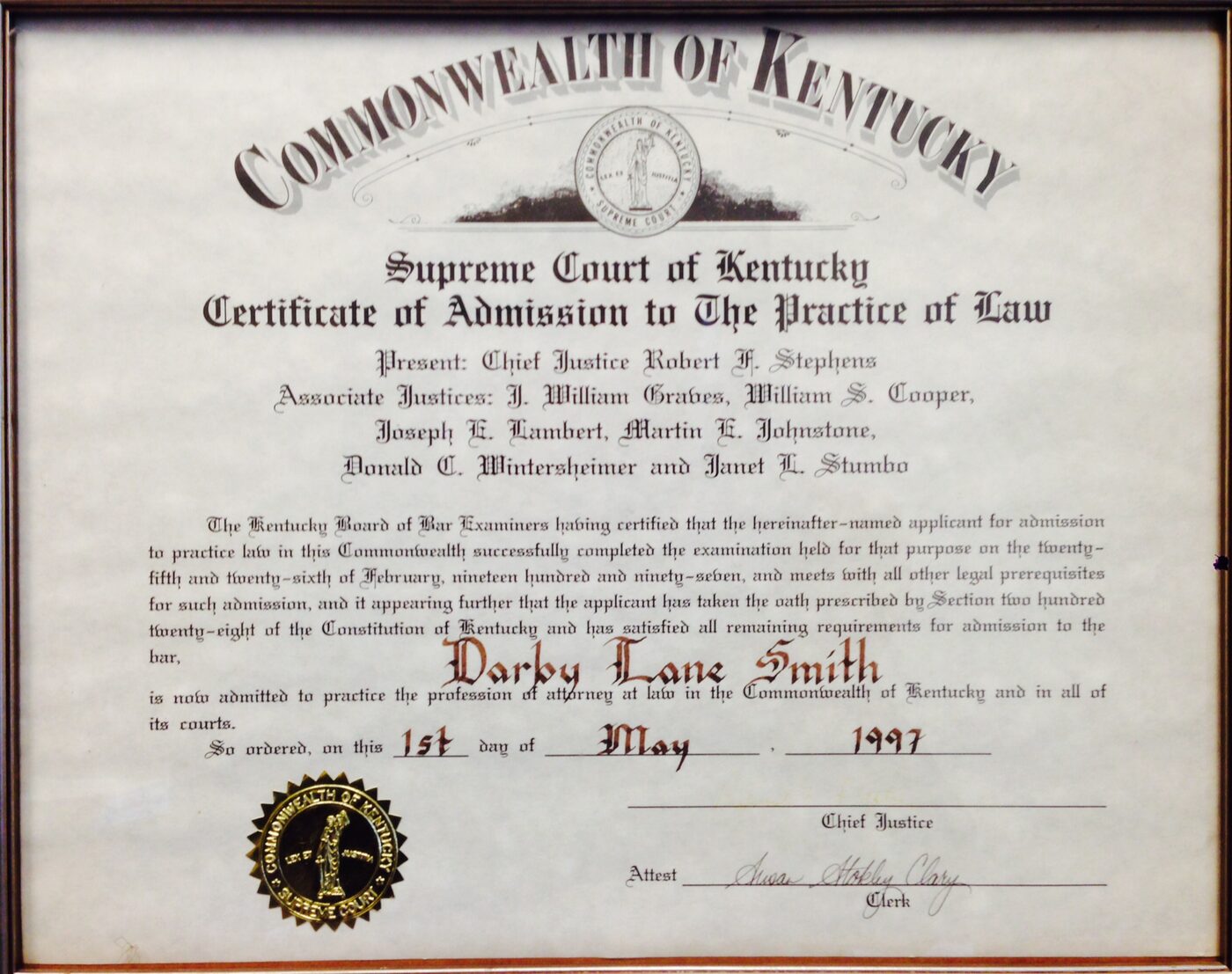
Darby Smith earned his JD from the University of Kentucky in 1996, was admitted to practice in Kentucky in 1997, and earned an LL.M. in Taxation from New York University in 2012. His practice is tax resolution and controversy: diagnosing the account, stabilizing urgent problems, and pursuing the legal resolution supported by the verified facts.
Darby works with Sarah Abraham, MST, the firm’s Tax Resolution Specialist. IRS clients nationwide work with this small attorney-led team—not a national intake company, tax-relief sales operation, or rotating cast of case managers.
Meet Darby and Sarah ↗Credentials you can verify
University of Kentucky JD, Kentucky bar admission, New York University LL.M. in Taxation, and admission to practice before the United States Tax Court.


The tax-account MRI comes first
A tax notice is one image—not the whole patient. Before prescribing a solution, Darby examines the account history, present danger, missing compliance, deadlines, and available legal remedies.
Review transcripts, balances, assessments, collection status, deadlines, appeal rights, liens, levies, and relevant limitation periods—the tax-account MRI.
Address immediate enforcement and identify the compliance work needed before a durable resolution can be pursued. Routine accounting is not part of the practice.
Evaluate payment arrangements, hardship status, penalty relief, levy or lien remedies, offers, appeals, or other legal options supported by the verified record.
Additional Kentucky counsel
Tax controversy is the firm’s primary focus. Darby also provides selected legal services for Kentucky clients when the matter calls for local counsel.
Closings, title work, deeds, lender representation, transaction documents, and selected title problems.
Explore real-estate services ↗Wills, revocable trusts, powers of attorney, health-care documents, deeds, and beneficiary coordination.
Explore estate-planning services ↗Start with tax triage
If you received a tax notice, have a looming deadline, or need to resolve a long-standing issue, complete the short triage first or call the office if enforcement is immediate.
Law office6304 Meeting Street, Suite 101
Prospect, KY 40059
Before a consultation
The triage asks a few focused questions so the office can determine whether the matter appears to fit the firm’s practice. If it does, the office may contact you to arrange a complimentary initial consultation.
Start Tax Triage ↗Submitting either form does not create an attorney-client relationship or guarantee a consultation.